Research & Academic Inquiries

MicroRNA and Non-Coding RNA Analysis
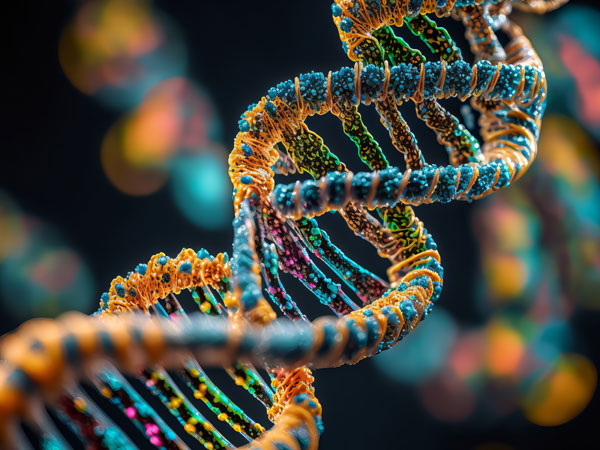
MicroRNA and Non-Coding RNA Analysis
Non-coding RNAs (ncRNAs), including microRNAs (miRNAs), long non-coding RNAs (lncRNAs), and other regulatory RNAs, play crucial roles in gene expression, cellular function, and disease regulation. This course provides comprehensive training in the identification, analysis, and functional characterization of ncRNAs using bioinformatics and high-throughput sequencing approaches. Participants begin with an introduction to ncRNA biology, biogenesis of miRNAs, their regulatory mechanisms, and their roles in development, physiology, and disease. The course highlights experimental techniques such as RNA-Seq, small RNA-Seq, and CLIP-Seq, along with computational strategies for ncRNA discovery and analysis. Core modules cover preprocessing of sequencing data, mapping, normalization, and quality control specific to small and long ncRNAs. Participants learn to identify known and novel miRNAs, quantify expression levels, predict target genes, and perform functional enrichment analysis. Tools such as miRDeep2, miRBase, TargetScan, and DESeq2 are introduced for practical analysis. Advanced topics include integrative analysis with mRNA expression, pathway and network analysis, prediction of lncRNA functions, and cross-species conservation studies. Participants also explore ncRNA databases, visualization strategies, and pipeline automation to ensure reproducibility. Case studies illustrate the functional impact of ncRNAs in cancer, cardiovascular diseases, neurobiology, and plant systems. Ethical considerations, data interpretation, and reporting standards are emphasized to promote accurate and responsible use of ncRNA analysis in research. By the end of this course, participants will be able to preprocess ncRNA sequencing data, identify and quantify miRNAs and other ncRNAs, predict functional targets, integrate expression data for pathway analysis, visualize results effectively, and implement reproducible workflows. This training equips bioinformaticians, molecular biologists, and genomics researchers with the necessary skills to study non-coding RNA biology and its impact on gene regulation and disease.
Syllabus
- Module 1: Introduction to Non-Coding RNAs and microRNAs
- Module 2: RNA Sequencing Techniques for ncRNA Analysis
- Module 3: Data Preprocessing, Quality Control, and Normalization
- Module 4: Identification and Quantification of Known and Novel miRNAs
- Module 5: Target Prediction and Functional Analysis
- Module 6: Long Non-Coding RNA (lncRNA) Analysis
- Module 7: Integrative Expression and Network Analysis
- Module 8: Cross-Species Conservation and Evolutionary Studies
- Module 9: Pipeline Automation and Reproducibility
- Module 10: Case Studies in Human and Plant ncRNA Biology
Prerequisites
Basic knowledge of molecular biology, RNA biology, and bioinformatics; familiarity with sequencing data and Linux command-line
Learning Outcomes
Preprocess ncRNA sequencing data; Identify and quantify miRNAs and other ncRNAs; Predict functional targets; Perform pathway and network analysis; Integrate ncRNA data with mRNA expression; Implement reproducible analysis pipelines; Visualize ncRNA analysis results
Certificate
Participants who successfully complete the training program will be awarded an official Certificate of Completion issued by Helix Institute for Medical & Biological Sciences LLC (USA).
The certificate confirms that the participant has attended and fulfilled the academic and practical requirements of the course, including lectures, workshops, assignments, and assessments, where applicable.
Each certificate includes:
- Full name of the participant
- Duration and total instructional hours
- Date of completion
- Title of the training program
- Official signature of the authorized representative of Helix Institute
- Institutional logo and identification number (Certificate ID)
- Verification reference for authenticity
Certificates issued by Helix Institute are designed to support professional development, academic portfolios, and continuing education records. Participants may use the certificate as evidence of specialized training in biomedical and life sciences disciplines.
For selected programs, certificates may also be issued in collaboration with partner institutions, universities, or scientific organizations when applicable.
Helix Institute maintains records of issued certificates to ensure verification and transparency. Employers, academic institutions, and professional organizations may request confirmation of certificate authenticity through official communication with the Institute.
Certificates are delivered electronically in secure digital format upon successful completion of the program. Printed certificates may be issued upon request.