Research & Academic Inquiries

Structural Bioinformatics & Protein Modeling
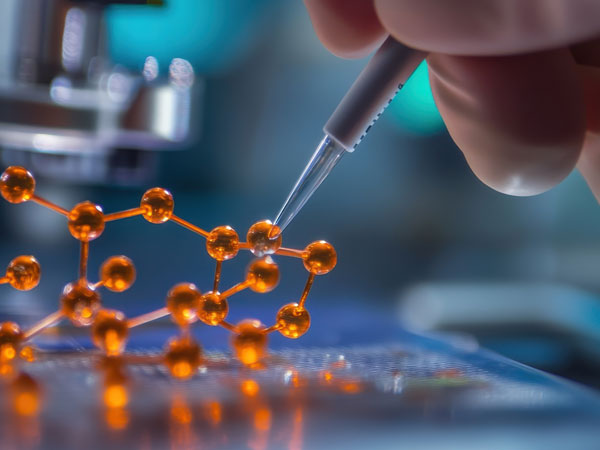
Structural Bioinformatics & Protein Modeling
Structural bioinformatics and protein modeling are pivotal disciplines in understanding molecular function, drug design, and systems biology. This advanced course offers a comprehensive exploration of computational and experimental approaches to determine, predict, and analyze protein structures, interactions, and dynamics. Participants gain both theoretical knowledge and practical skills to model protein structures, simulate dynamics, and interpret structure-function relationships critical to biomedical research. The course begins with an introduction to protein structure and function, covering primary, secondary, tertiary, and quaternary structures, as well as post-translational modifications. Participants explore experimental methods for structural determination including X-ray crystallography, NMR spectroscopy, cryo-EM, and mass spectrometry, with emphasis on integrating these datasets with computational models. Computational modeling modules cover homology modeling, ab initio prediction, threading, and loop modeling. Participants learn tools such as MODELLER, Rosetta, and SWISS-MODEL for building accurate 3D protein structures, validating models using stereochemistry metrics, Ramachandran plots, and structural quality assessments. Emphasis is placed on understanding limitations and assumptions of each modeling technique. Molecular dynamics (MD) simulations are introduced to study protein flexibility, conformational changes, and interactions with ligands. Participants gain hands-on experience with MD software such as GROMACS and AMBER, learning force field selection, system preparation, equilibration, trajectory analysis, and interpretation of dynamic behavior. Simulation data are connected to experimental observations for biologically meaningful conclusions. Protein-protein and protein-ligand interactions are analyzed using docking techniques, energy scoring, and binding affinity estimation. Participants learn computational pipelines for virtual screening, molecular docking, and interaction network analysis. Structural bioinformatics methods for predicting active sites, allosteric regulation, and stability are integrated throughout the course. Visualization and communication of protein structures are emphasized, including generation of high-quality figures, interactive 3D visualizations, and annotation of structural features. Case studies illustrate applications in drug discovery, enzyme engineering, antibody design, and disease-associated structural variants. Advanced topics include integrative modeling, hybrid approaches combining multiple experimental and computational datasets, coarse-grained simulations, and ensemble modeling for complex biomolecular systems. Ethical considerations, reproducibility, and data sharing best practices are discussed for collaborative and translational research. By the end of this course, participants will be able to model protein structures, perform molecular dynamics simulations, analyze protein interactions, interpret structure-function relationships, integrate experimental and computational data, and communicate findings effectively. This training equips bioinformaticians, computational biologists, and structural biologists with essential skills for modern biomedical research and drug discovery.
Syllabus
- Module 1: Introduction to Protein Structure and Function
- Module 2: Experimental Methods in Structural Biology
- Module 3: Homology and Ab Initio Protein Modeling
- Module 4: Threading and Loop Modeling
- Module 5: Molecular Dynamics Simulations
- Module 6: Protein-Protein and Protein-Ligand Interactions
- Module 7: Docking and Virtual Screening
- Module 8: Structural Bioinformatics Analyses
- Module 9: Visualization and Communication of Protein Structures
- Module 10: Case Studies in Drug Discovery and Functional Analysis
Prerequisites
Basic understanding of molecular biology, protein biochemistry, and computational analysis
Learning Outcomes
Model protein structures using computational methods; Perform molecular dynamics simulations; Analyze protein interactions; Interpret structure-function relationships; Integrate experimental and computational data; Communicate protein modeling insights effectively
Certificate
Participants who successfully complete the training program will be awarded an official Certificate of Completion issued by Helix Institute for Medical & Biological Sciences LLC (USA).
The certificate confirms that the participant has attended and fulfilled the academic and practical requirements of the course, including lectures, workshops, assignments, and assessments, where applicable.
Each certificate includes:
- Full name of the participant
- Duration and total instructional hours
- Date of completion
- Title of the training program
- Official signature of the authorized representative of Helix Institute
- Institutional logo and identification number (Certificate ID)
- Verification reference for authenticity
Certificates issued by Helix Institute are designed to support professional development, academic portfolios, and continuing education records. Participants may use the certificate as evidence of specialized training in biomedical and life sciences disciplines.
For selected programs, certificates may also be issued in collaboration with partner institutions, universities, or scientific organizations when applicable.
Helix Institute maintains records of issued certificates to ensure verification and transparency. Employers, academic institutions, and professional organizations may request confirmation of certificate authenticity through official communication with the Institute.
Certificates are delivered electronically in secure digital format upon successful completion of the program. Printed certificates may be issued upon request.